15 Jun 2026
Charting Navigation Patterns Between Game Varieties and Funding Channels Within Protected Mobile Interfaces
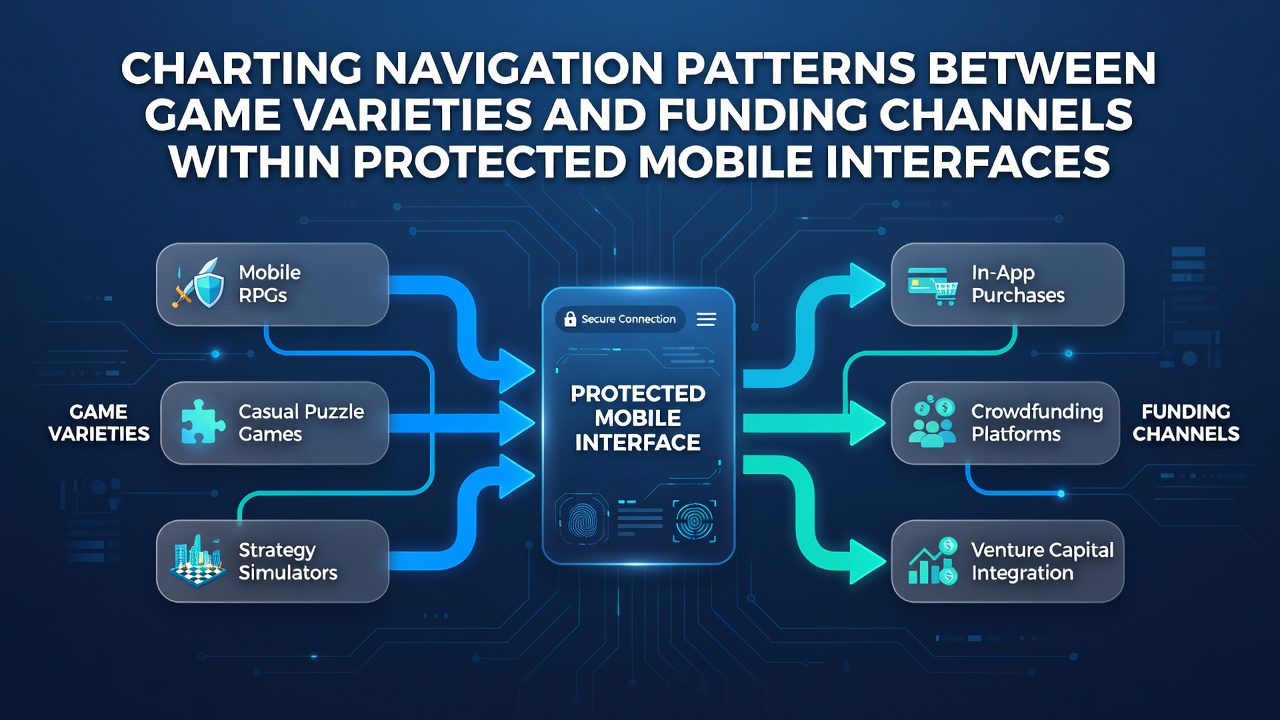
Users interact with mobile casino platforms through structured pathways that connect diverse game selections with deposit and withdrawal mechanisms, all housed inside encrypted environments designed to maintain transaction integrity. These interfaces organize content into distinct sections where players select game types before moving toward funding options that support real-time account management.
Game Variety Structures and User Pathways
Game categories appear in grid or carousel formats on mobile screens, allowing quick transitions from slots to table games and live dealer experiences. Observers note that slot sections often occupy prominent positions because reel-based titles load rapidly and require minimal input before play begins. Table game navigation leads users through poker variants, blackjack, and roulette, with filters that sort by stakes or provider.
Live dealer options integrate video streams that pull from separate servers, creating additional data routes within the same application shell. Studies on mobile engagement show that users frequently alternate between these categories during single sessions, moving from high-volatility slots into lower-stakes table games without exiting the protected environment.
Funding Channel Integration Points
Payment gateways sit behind secure authentication layers that activate once a user selects a deposit or withdrawal function. Credit card and e-wallet icons appear in dedicated menus, while cryptocurrency options route through separate verification steps that confirm wallet addresses before processing. Data from industry reports indicate that many platforms position these menus at the bottom navigation bar so they remain accessible regardless of the current game screen.
Withdrawal flows require balance checks that pull from the same account database used during gameplay, ensuring consistency across game varieties. Bank transfer selections trigger additional compliance screens that collect documentation, yet the interface returns users to their active game category once the request completes.
Security Protocols Governing Navigation
Encrypted tunnels protect every transition between game content and funding modules, with session tokens refreshing at regular intervals to prevent unauthorized access. Multi-factor authentication appears at funding entry points more often than within game areas, creating a layered defense that researchers associate with reduced fraud incidents. Mobile interfaces also embed device fingerprinting that tracks navigation sequences and flags unusual patterns, such as rapid switches between unrelated game types followed by immediate withdrawal attempts.
According to figures from the Alcohol and Gaming Commission of Ontario, platforms operating under their oversight report consistent use of these protocols across both Android and iOS deployments. The system logs each move from a slot lobby into a deposit screen, building datasets that operators use to refine menu placement and reduce friction.
Observed Navigation Patterns in June 2026
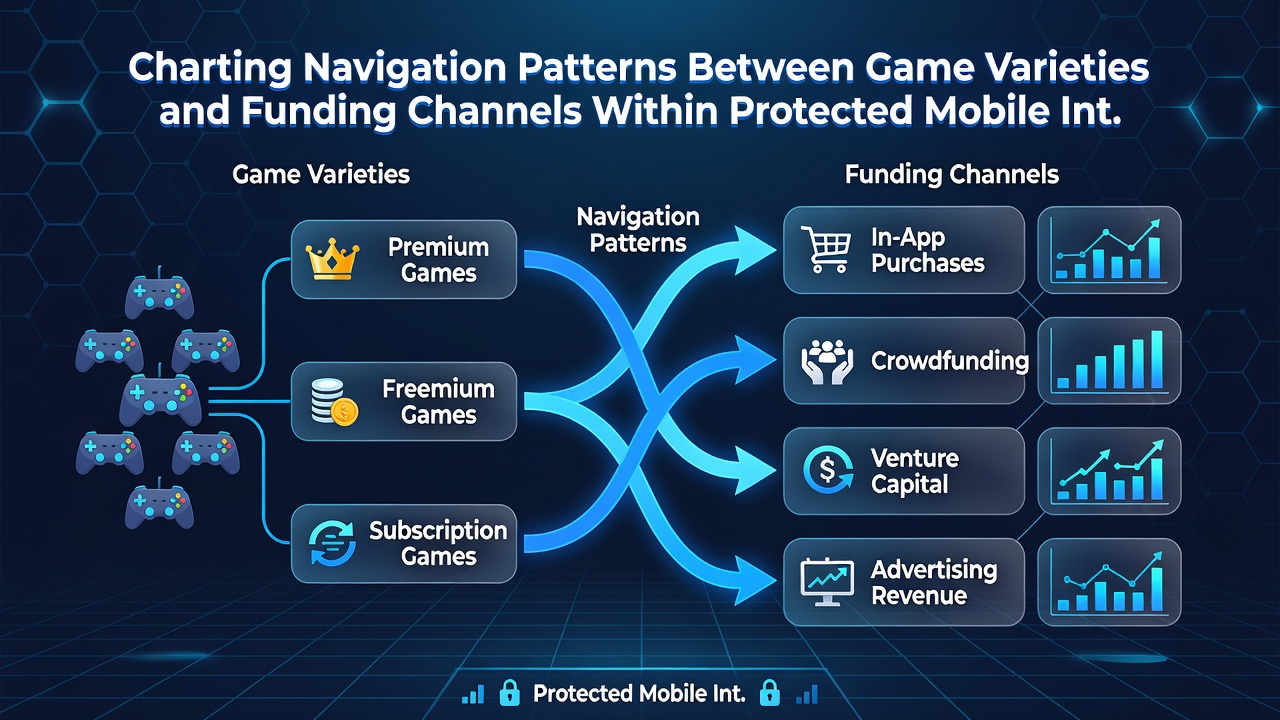
By June 2026, several operators introduced predictive menu adjustments that reorder game categories based on individual funding history. Users who deposit via cryptocurrency more often see crypto-enabled game lobbies surface first, while those favoring traditional cards encounter those options higher in the list. This adaptation stems from aggregated navigation data collected over preceding months and aligns with requirements from multiple regulatory jurisdictions.
Patterns also reveal that live dealer sessions frequently precede deposit actions, as players top up balances to join higher-limit tables. Conversely, slot-heavy sessions tend to end with withdrawal requests once bonus conditions clear. These sequences appear in heatmaps generated by analytics tools that map screen taps and dwell times across protected interfaces.
Cross-Platform Data Considerations
Operators share aggregated navigation statistics with academic partners to study how interface design influences session length and funding frequency. One collaboration with researchers at the University of Nevada, Las Vegas examined how menu depth affects transitions between game types and payment selections, finding that single-tap access to funding channels correlates with higher completion rates for both deposits and cashouts.
Regional differences emerge when comparing North American and European deployments, where currency conversion steps add extra navigation layers in some markets. Yet the core architecture remains consistent: game content and funding tools operate within the same authenticated session, reducing the need for repeated logins.
Conclusion
Navigation between game varieties and funding channels inside protected mobile interfaces follows predictable sequences shaped by interface design, security requirements, and user behavior data. As platforms continue to refine these pathways through ongoing analysis, the connections between entertainment options and financial tools grow more streamlined while remaining anchored in regulatory compliance frameworks across multiple jurisdictions.