Decoding Access Pathways Linking Customer Assistance Channels with Diverse Gaming Options in Secure Mobile Platforms
Written by Willa Meier · Aug 3, 2026
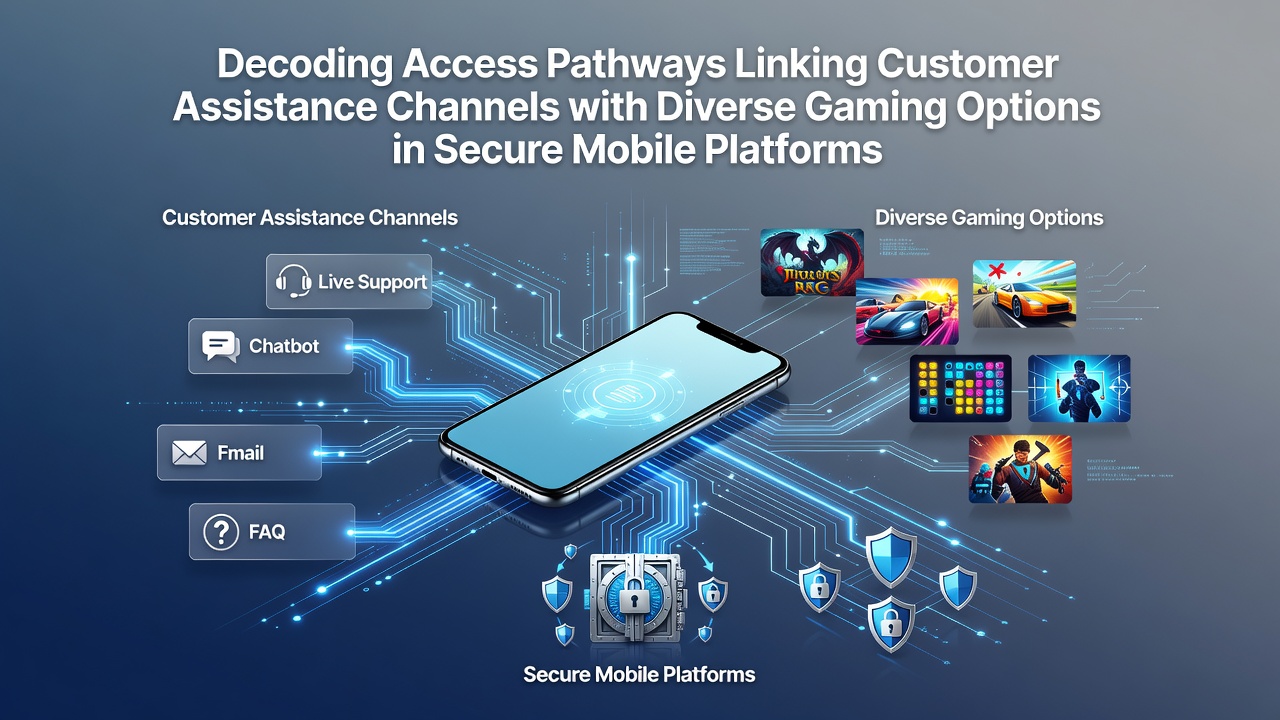
Decoding Access Pathways Linking Customer Assistance Channels with Diverse Gaming Options in Secure Mobile Platforms
Secure mobile platforms have developed structured pathways that connect customer assistance channels directly to a range of gaming options while maintaining encryption and authentication protocols at each step. These pathways operate through layered interfaces where users initiate contact with support representatives and transition into game selections without exiting the protected environment. Data from platform analytics indicates that integrated routing systems reduce session interruptions by directing queries through dedicated menus that align support functions with specific game categories such as slots, table games, and live dealer experiences.
Mapping Core Access Structures in Mobile Environments
Platform architects design these access structures around modular components that allow seamless movement between assistance modules and gaming libraries. Each module employs API endpoints that verify user credentials before granting entry to either support tickets or game lobbies. Observers note that this architecture relies on real-time synchronization between backend servers and front-end applications to prevent data exposure during transitions. Research conducted by industry monitoring groups shows that platforms employing such modular designs experience fewer authentication failures compared to segmented systems.
Users encounter initial navigation points through in-app dashboards that list both support options and game categories side by side. Selection of an assistance channel triggers a verification sequence that logs the request while preserving the session token needed for subsequent game access. This approach keeps all activity within the encrypted perimeter of the mobile application.
Integration of Assistance Channels with Game Libraries
Customer assistance channels incorporate direct links to gaming options through contextual prompts that appear during support interactions. For instance, when a user reports a transaction issue, the support interface displays relevant game categories that may have contributed to the query. Platform logs reveal that these contextual prompts increase resolution rates by guiding users toward self-service game testing tools embedded in the same secure session.
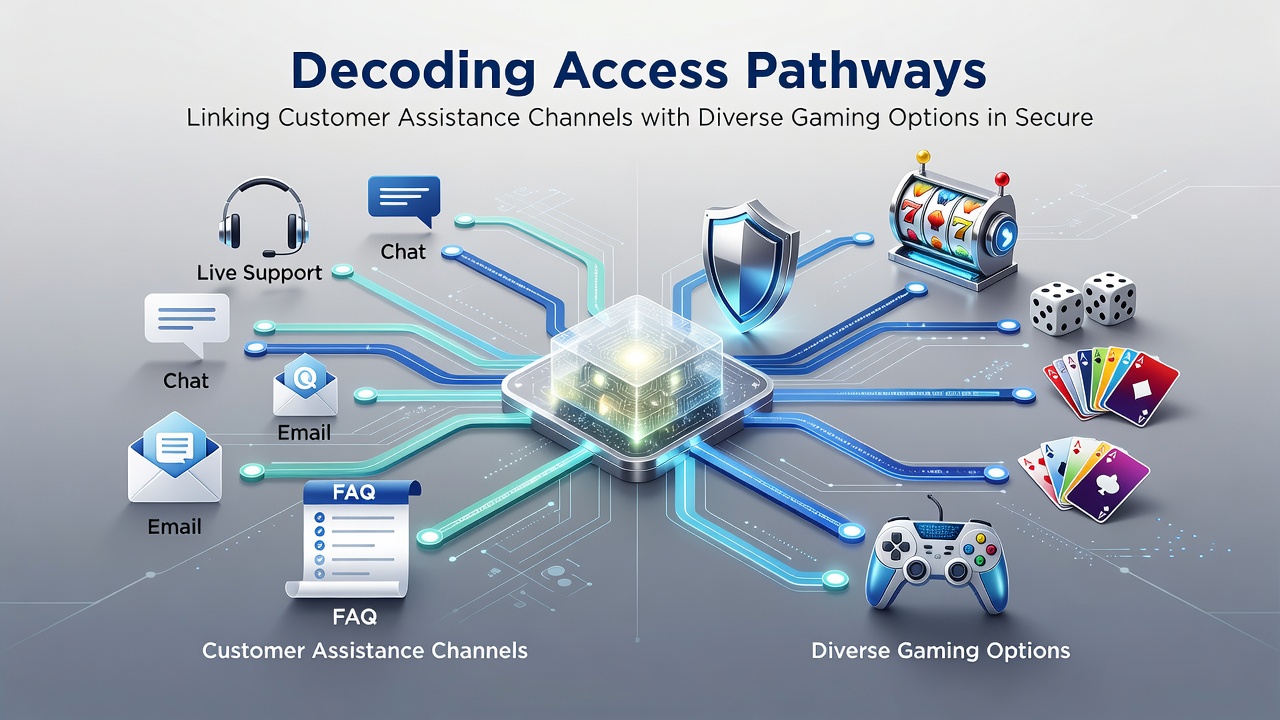
Game libraries themselves contain embedded assistance triggers that activate chat or ticket systems without requiring users to navigate away from the current title. These triggers connect to the same authentication layer used for initial login, ensuring continuity of security measures across functions. Figures released by regional gaming authorities in Canada highlight that platforms with embedded assistance features report higher user retention during extended play sessions.
Security Protocols Governing Pathway Transitions
Encryption standards such as TLS 1.3 and token-based authentication protect every transition between assistance channels and gaming options. Multi-factor verification occurs at key junctions, including when users move from support conversations to live dealer tables or progressive jackpot games. According to reports issued by the Nevada Gaming Control Board, mobile platforms that enforce these layered verifications maintain compliance with data protection requirements across multiple jurisdictions.
Additional safeguards include session timeouts that reset upon detection of unusual activity patterns during pathway navigation. Developers implement these measures through continuous monitoring scripts that flag potential anomalies without interrupting legitimate user flows. Data collected by academic research teams at institutions studying digital security demonstrates that such monitoring reduces unauthorized access incidents in mobile gaming environments.
Regional Developments and Platform Updates Through August 2026
Regulatory frameworks continue to influence pathway design as new licensing conditions emerge across different markets. In August 2026, several operators updated their mobile interfaces to align with revised accessibility guidelines issued by Australian oversight bodies, incorporating clearer menu structures that link assistance directly to localized game selections. These updates reflect ongoing efforts to standardize secure navigation practices while accommodating varying regional requirements for player verification.
Industry organizations such as the European Gaming and Betting Association have published guidelines that encourage operators to maintain transparent routing between support services and game options. Platforms adopting these recommendations show measurable improvements in audit outcomes, as documented in association reports from earlier periods.
Conclusion
Access pathways in secure mobile platforms function through coordinated systems that link customer assistance channels to diverse gaming options while upholding consistent security standards. Platform operators continue to refine these connections based on technical requirements and regulatory expectations, resulting in structured navigation that supports both user needs and compliance obligations. Ongoing developments in August 2026 and beyond indicate further integration of these elements as mobile environments evolve.