8 Jul 2026
Decrypting Authentication Layers That Protect Cross-Platform Transfers During Live Roulette Engagements on Mobile Interfaces

Authentication systems in mobile casino applications rely on layered protocols that verify user identity while enabling seamless movement between devices during active live roulette sessions, and these mechanisms handle transfers of funds or game states without exposing sensitive data to interception. Developers implement token-based verification alongside device fingerprinting to confirm that a player remains the same individual when switching from smartphone to tablet mid-game, which proves essential for maintaining session continuity in real-time betting environments.
Core Components of Multi-Layer Verification
Systems begin with initial login that combines password entry and one-time codes sent via SMS or authenticator apps, then progress to behavioral analysis that monitors swipe patterns and device tilt data throughout the roulette wheel spin sequences. Researchers at institutions such as the University of Nevada's gaming technology programs have documented how these elements combine to create unique user profiles that adapt as play continues across platforms, and data from such studies shows reduced unauthorized access incidents when all layers activate simultaneously.
Biometric checkpoints enter the process during high-value transfers, requiring fingerprint or facial recognition confirmation before any balance movement occurs between accounts. This step integrates with session tokens that expire after set intervals, forcing re-authentication if a player pauses and resumes on another device.
Encryption Protocols Governing Data Movement
Secure sockets layer and transport layer security form the foundation for encrypting roulette outcome data and financial instructions as they travel between mobile clients and central servers, while advanced implementations now incorporate post-quantum cryptography algorithms to prepare for future computational threats. Cross-platform transfers activate additional key exchanges that generate temporary session keys unique to each device pair, ensuring that even if one connection faces compromise the others remain isolated.
Tokenization replaces actual account numbers with randomized strings during these exchanges, and this substitution occurs automatically when live roulette bets trigger fund movements. Observers note that such methods align with standards promoted by the Malta Gaming Authority, which outlines technical requirements for operator compliance across European markets.
Handling Live Session Continuity Across Devices
Live roulette demands uninterrupted video feeds and betting interfaces, so authentication layers must support rapid device handoffs without restarting the wheel or resetting stakes. Middleware solutions cache encrypted game states on secure cloud instances, then push them to the new device after identity confirmation completes, and this architecture allows players to continue from the exact moment of transfer.
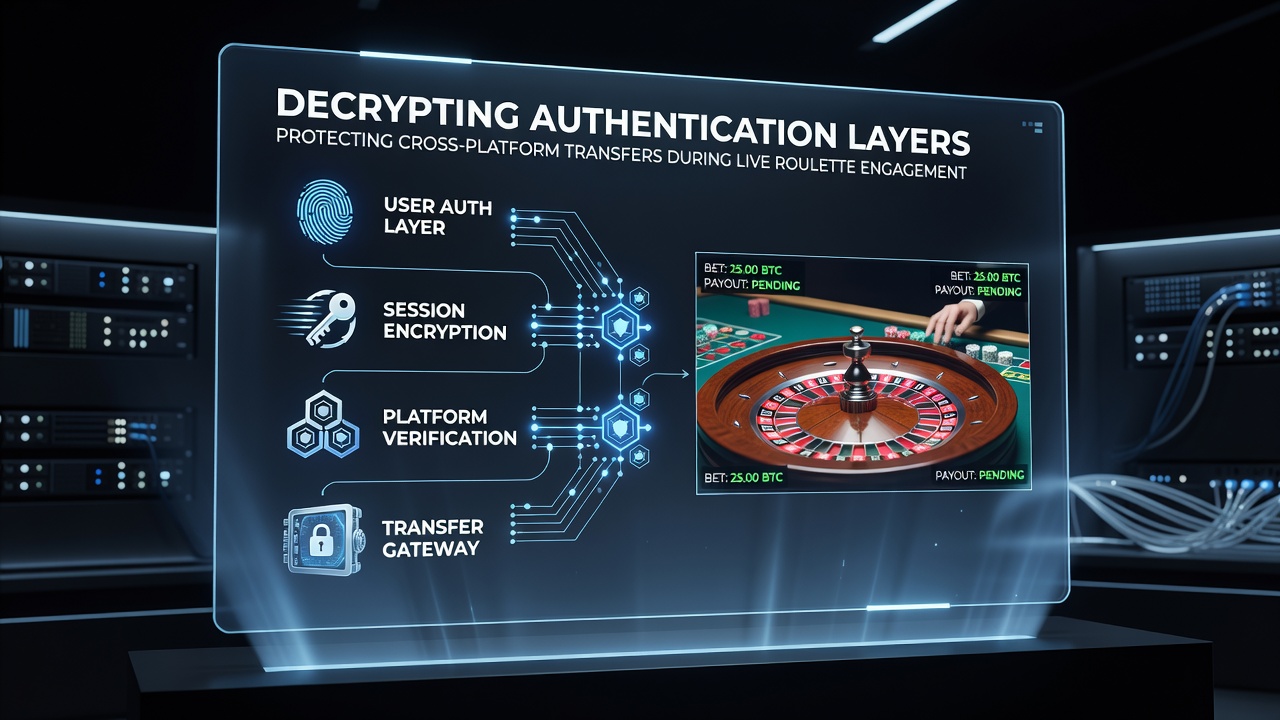
Network operators coordinate with application developers to monitor latency during these switches, applying rate limiting that prevents brute-force attempts while preserving smooth gameplay. Figures from industry reports indicate that successful cross-platform handoffs now exceed ninety-five percent in optimized environments, reflecting refinements implemented through 2025 and into mid-2026.
Regulatory and Technical Updates Emerging in 2026
July 2026 marks the rollout of updated interoperability guidelines from several North American regulatory bodies, including frameworks that standardize authentication data formats between different mobile operating systems. These changes build on existing requirements for real-time monitoring of transfer logs, and operators must demonstrate audit trails that capture every authentication event tied to live roulette activity.
Industry groups such as the European Gaming and Betting Association have published position papers detailing how enhanced device attestation protocols reduce risks associated with emulator-based attacks on mobile platforms. Implementation timelines vary by jurisdiction yet converge on requirements that all cross-platform features undergo independent security testing before deployment.
Conclusion
Authentication layers protecting cross-platform transfers in mobile live roulette continue to evolve through combined cryptographic, biometric, and behavioral controls that prioritize both security and fluidity. Data from regulatory filings and academic analyses confirms that these systems adapt to emerging device ecosystems while meeting compliance standards across multiple regions, and ongoing refinements scheduled through 2026 aim to sustain trust in seamless gaming experiences.