20 Jul 2026
Exploring Encryption Standards That Secure Real-Time Interactions in Portable Gaming Environments
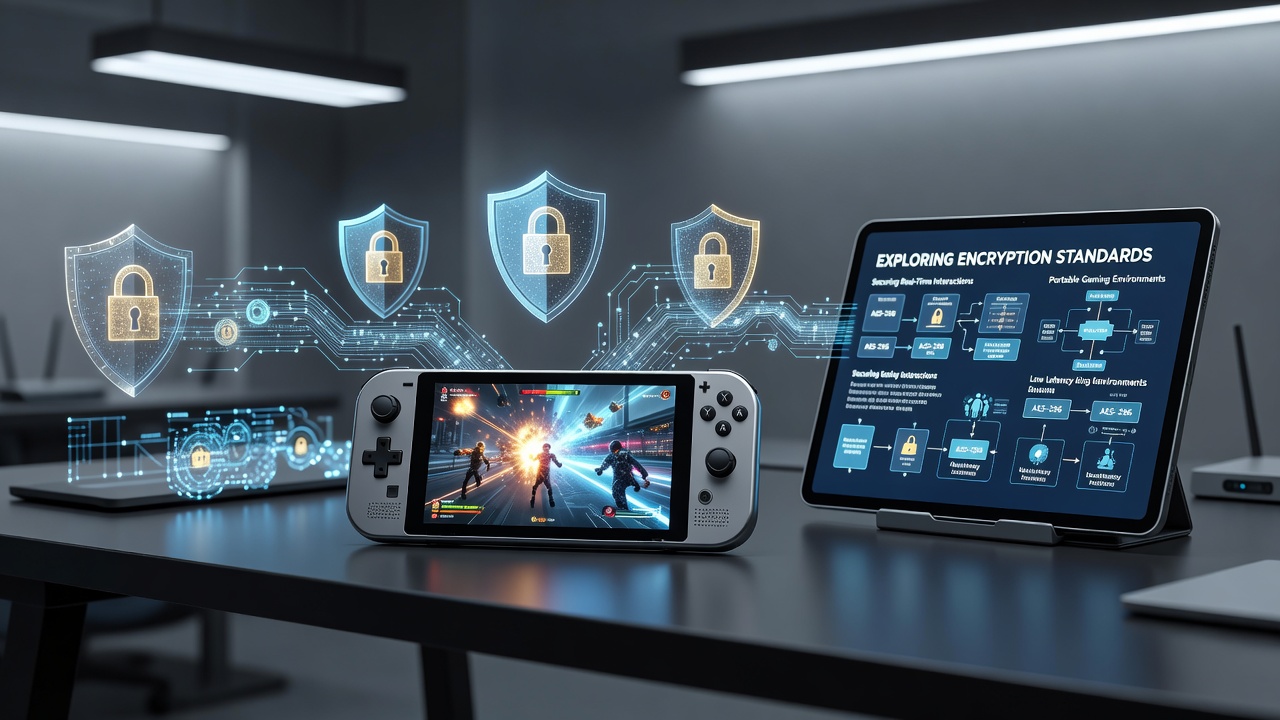
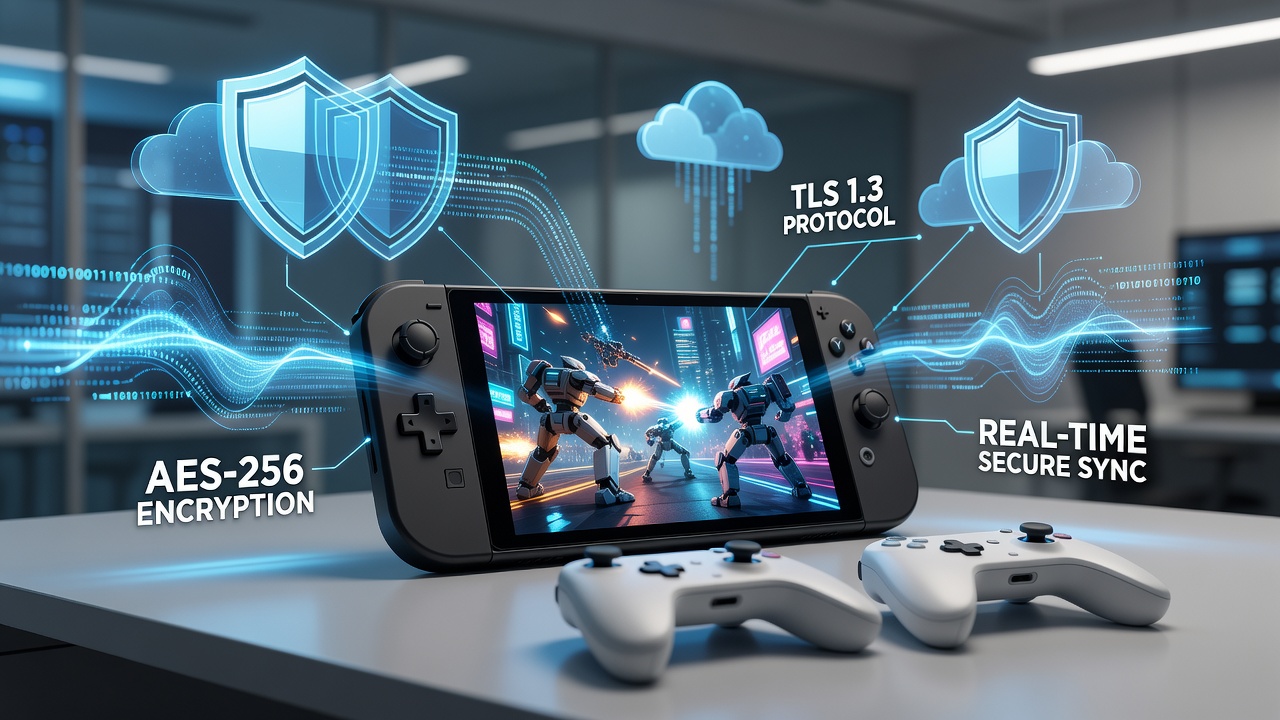
Portable gaming environments rely on encryption to protect data exchanged during live sessions, and standards such as AES-256 alongside TLS 1.3 form the backbone of these protections. Developers integrate these measures to safeguard player movements, voice communications, and transaction details while devices connect over variable networks. Research from institutions like the National Institute of Standards and Technology shows that AES remains the dominant symmetric cipher because of its resistance to known attacks and efficient performance on mobile hardware.
Foundational Standards in Use Today
Advanced Encryption Standard protocols operate at multiple layers within gaming applications, and they encrypt packets traveling between client devices and servers in real time. Elliptic Curve Cryptography supplements these efforts by handling key exchanges with smaller computational overhead than traditional RSA methods, which matters when battery life and processing power constrain portable units. Data from the European Union Agency for Cybersecurity indicates that ECC implementations have grown in mobile titles since 2023 because they reduce latency during intense multiplayer exchanges.
ChaCha20-Poly1305 has emerged as an alternative stream cipher in environments where hardware acceleration for AES proves inconsistent across device models. Gaming platforms adopt this option to maintain consistent security levels on both high-end smartphones and older tablets without compromising frame rates during fast-paced interactions.
Real-Time Protocol Adaptations
Datagram Transport Layer Security extends TLS protections to UDP-based traffic common in gaming, and it prevents replay attacks while authenticating participants in ongoing sessions. WebRTC frameworks embed these protocols to enable peer-to-peer voice and video features inside games, which requires careful management of ephemeral keys that expire after each connection closes. Observers note that such short-lived keys limit the window available for potential interception during live play.
Secure Real-time Transport Protocol adds another layer by encrypting media streams separately from control channels, and this separation allows developers to apply different cipher suites based on bandwidth conditions. Studies conducted at academic centers have demonstrated that SRTP combined with DTLS reduces jitter in cross-device matches compared with older RTP setups that lacked native encryption.
Challenges Specific to Portable Devices
Mobile networks introduce packet loss and variable latency that encryption layers must accommodate without dropping sessions, and forward error correction techniques often pair with encrypted streams to maintain continuity. Device diversity creates further complexity because not every chipset supports the latest instruction sets for accelerated cryptography, which forces developers to include fallback routines that still meet baseline security thresholds.
Key rotation schedules become critical in long-running sessions, and automated systems refresh session keys at intervals measured in seconds rather than minutes to contain exposure if a device is compromised mid-game. Industry reports highlight that platforms implementing frequent rotation see measurable drops in successful session hijacking attempts according to telemetry collected across millions of active users.
Integration Patterns Across Major Titles
Leading portable gaming services embed encryption directly into their networking stacks rather than relying solely on operating system defaults, and this approach allows custom policies tailored to specific game mechanics such as real-time trading or cooperative raids. Certificate pinning prevents man-in-the-middle substitutions during initial handshakes, while certificate transparency logs provide public verification that issued certificates match expected authorities.
Testing frameworks used by studios simulate adversarial network conditions to verify that encrypted real-time interactions survive both passive eavesdropping and active tampering attempts. Results from these controlled environments feed back into protocol updates released on quarterly cycles, ensuring alignment with evolving recommendations from standards bodies.
Conclusion
Encryption standards continue to adapt as portable gaming expands across more device types and network conditions, and the combination of established ciphers with lightweight protocols delivers the necessary balance between security and responsiveness. Ongoing refinements in key management and protocol layering reflect measured responses to documented threat patterns observed in production environments. These measures collectively support uninterrupted real-time interactions without exposing sensitive player data during transit.