How Biometric Authentication Protocols Integrate With Transaction Verification Across Mobile Live Dealer Platforms
Written by Willa Meier · Aug 14, 2026
How Biometric Authentication Protocols Integrate With Transaction Verification Across Mobile Live Dealer Platforms
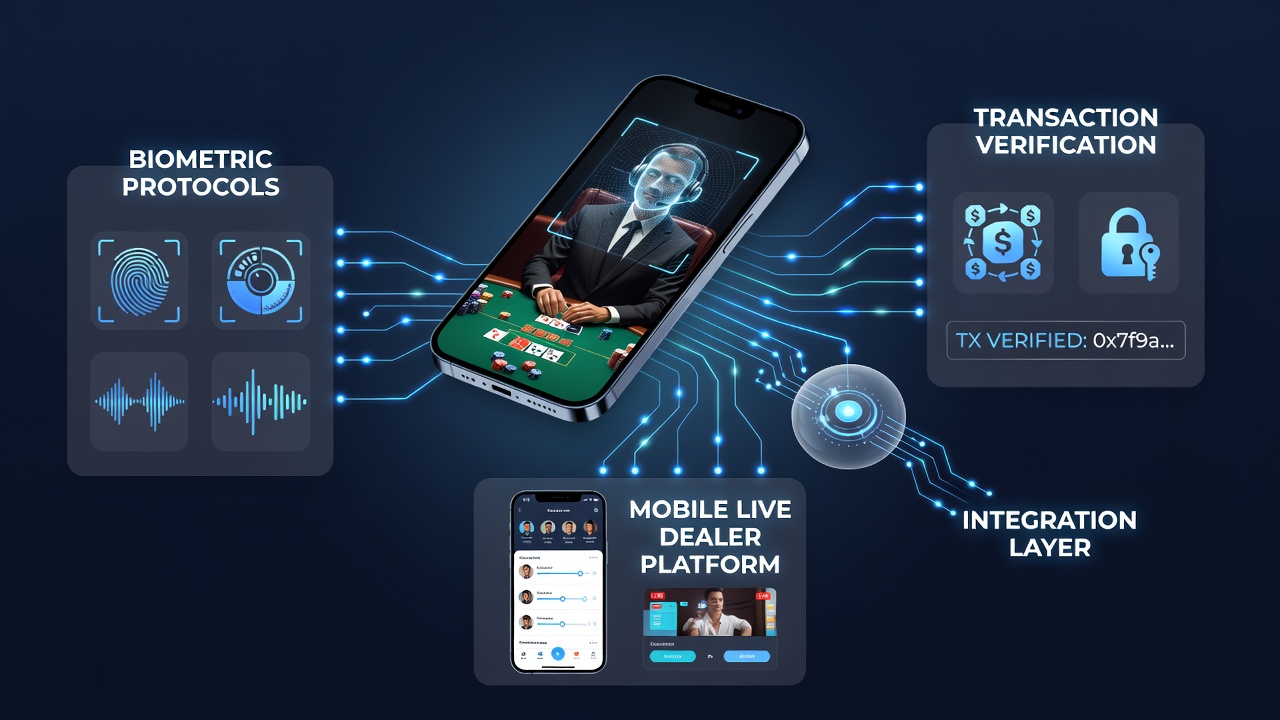
Biometric authentication protocols have become central to transaction verification on mobile live dealer platforms because they link unique physical traits directly to each financial action, and operators now combine facial recognition, fingerprint scanning, and voice analysis with real-time payment checks to confirm user identity before funds move. These systems pull data from device sensors and match it against stored templates in secure servers, while transaction logs receive simultaneous flags that either approve or block the transfer based on match scores and behavioral signals.
Core Biometric Methods in Live Dealer Environments
Facial recognition stands out as the primary method because cameras on modern smartphones capture multiple angles during login and again at each betting round, and algorithms compare those frames against encrypted references held in the cloud. Fingerprint sensors add a second layer that activates when users place bets above certain thresholds, and the platform cross-references the print data with the session token issued at the start of the live stream. Voice biometrics enter the process during dealer interactions, where spoken confirmations for large withdrawals get analyzed for pitch, cadence, and spectral patterns that must align with the account profile.
Integration Points Between Authentication and Transaction Flows
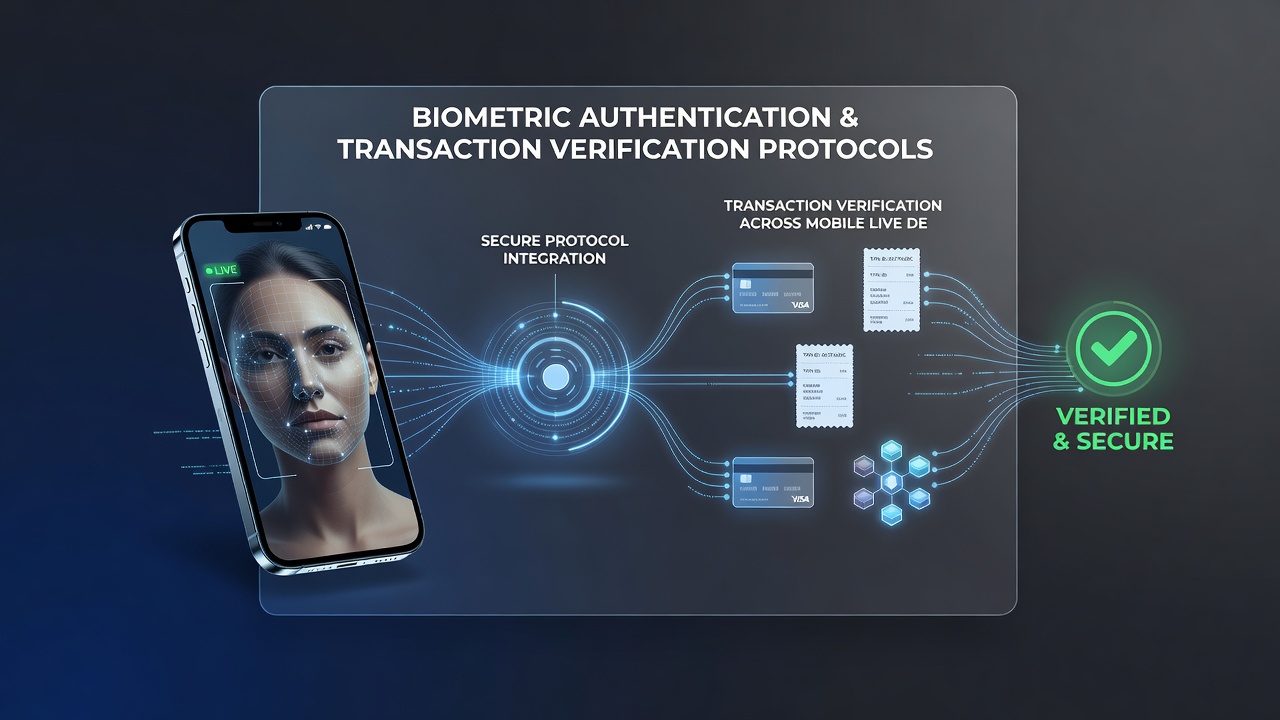
Transaction verification begins the moment a player selects a chip denomination or requests a cashout, and the platform immediately triggers a biometric prompt that runs in parallel with backend checks on available balance, withdrawal limits, and regulatory flags. The biometric result feeds into a scoring engine that weighs the match percentage against risk rules, and a score above the operator threshold allows the payment gateway to proceed while lower scores route the request to manual review or additional challenges. Data from both systems merge into a single audit record that includes timestamp, device ID, location coordinates, and biometric confidence level, creating a chain that regulators can inspect without exposing raw biometric templates.
Regulatory Frameworks Shaping Implementation
Standards set by the National Institute of Standards and Technology guide how templates are stored and protected in the United States, while the European Gaming and Betting Association publishes guidelines that require liveness detection to prevent replay attacks on mobile devices. In August 2026 several North American jurisdictions began requiring periodic template refresh cycles, and platforms responded by prompting users to re-enroll after a set number of transactions or time intervals. These rules ensure that biometric data remains current and that transaction verification systems can detect attempts to use outdated or synthetic samples.
Technical Architecture Supporting Real-Time Verification
Mobile applications route biometric captures through secure enclaves on the device before transmitting hashed representations to central servers, and the live dealer backend synchronizes these checks with the video stream so that any delay in authentication pauses the table action automatically. Payment processors receive only a binary approval signal rather than the biometric data itself, which keeps sensitive information isolated while still tying the financial movement to a verified identity. Observers note that this separation reduces exposure during breaches because even if transaction records leak, the underlying biometric templates stay protected behind additional encryption layers.
Case Examples From Operational Platforms
One operator in the Asia-Pacific region integrated voice biometrics with its live baccarat tables so that players confirm each side bet verbally, and the system logs both the spoken phrase and the resulting transaction hash in a unified record. Another platform serving European markets added fingerprint-triggered withdrawals that must complete within a 30-second window after the scan, and data from that implementation showed reduced chargeback rates compared with earlier PIN-only flows. Researchers from academic institutions have examined these deployments and reported that combining multiple biometric modalities with transaction metadata produces higher detection rates for account takeover attempts than any single method alone.
Future Developments Expected by Late 2026
Industry reports indicate that behavioral biometrics such as swipe patterns and grip pressure will join traditional methods to create continuous verification throughout a live session, and regulators in Canada and Australia have signaled interest in pilot programs that test these additions. Hardware improvements in under-display fingerprint readers and higher-resolution front cameras will allow smoother integration without interrupting gameplay, while edge computing reduces the time needed to return match results from remote servers. These changes will keep transaction verification tightly coupled to biometric events even as mobile networks and device capabilities evolve.
Conclusion
Biometric authentication protocols now form an inseparable part of transaction verification on mobile live dealer platforms because they deliver identity confirmation at the exact moment funds move, and ongoing regulatory updates plus technical refinements continue to tighten that linkage across jurisdictions. The architecture supports rapid matching, isolated data handling, and comprehensive audit trails that satisfy both operators and oversight bodies while maintaining the pace of live dealer games.