29 May 2026
Inside the Infrastructure: How Support Teams Safeguard Transactions and Gameplay in Mobile Casino Settings
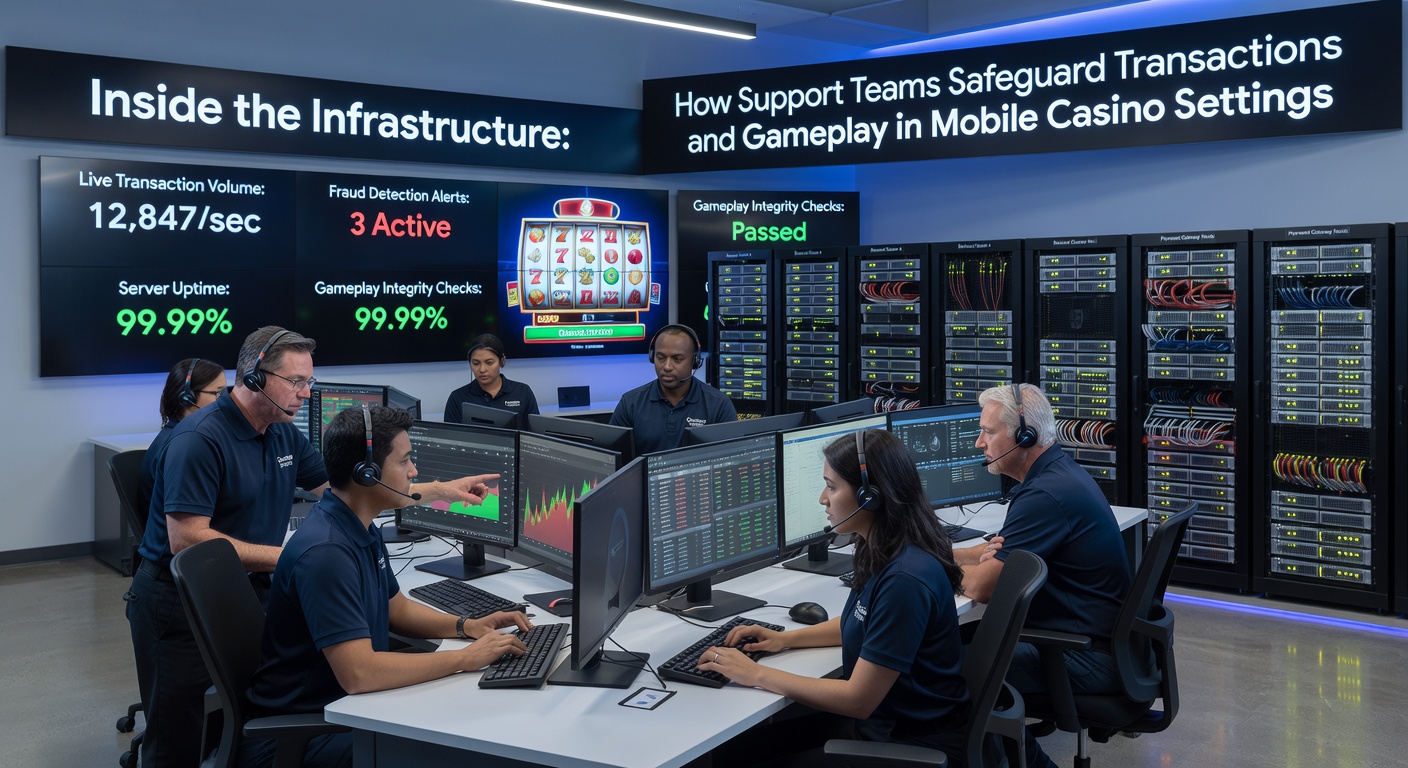
Support teams in mobile casino operations work behind the scenes to protect both financial transactions and gameplay integrity across portable platforms, and their efforts rely on layered systems that combine technology with human oversight. These teams handle everything from payment verification to real-time game monitoring while ensuring compliance with regional regulations that continue to evolve through 2026.
Transaction Protection Protocols
Mobile casino support personnel coordinate with payment processors and security software to verify each deposit and withdrawal before funds move through encrypted channels, and this process includes cross-checking user identities against multiple databases to reduce fraud risks. Data from the New Jersey Division of Gaming Enforcement shows that verified transaction volumes on mobile platforms grew steadily into early 2026, prompting operators to expand dedicated response units that operate around the clock. Teams review flagged activities using pattern recognition tools that flag unusual spending or location mismatches, then they follow standardized escalation paths that involve both automated alerts and direct agent intervention when needed.
Encryption standards such as TLS 1.3 remain central to these safeguards, while additional protocols like tokenization replace sensitive card details with unique identifiers that limit exposure during transfers. Support staff receive ongoing training on emerging threats including phishing attempts aimed at mobile users, and they apply this knowledge when guiding players through secure account recovery steps. One documented case from a European operator revealed that coordinated monitoring prevented several large-scale credential-stuffing attempts during a single weekend in spring 2026, highlighting how rapid team response complements backend filters.
Gameplay Integrity and Technical Oversight
Support teams also monitor live gameplay sessions to maintain fairness and address technical disruptions that could affect player experience on smartphones and tablets. Random number generator audits occur at scheduled intervals, yet daily oversight falls to specialists who watch for anomalies in game outcomes or session logs that might indicate manipulation attempts. When issues arise, agents can pause sessions, investigate server-side data, and restore balances without interrupting the broader network.
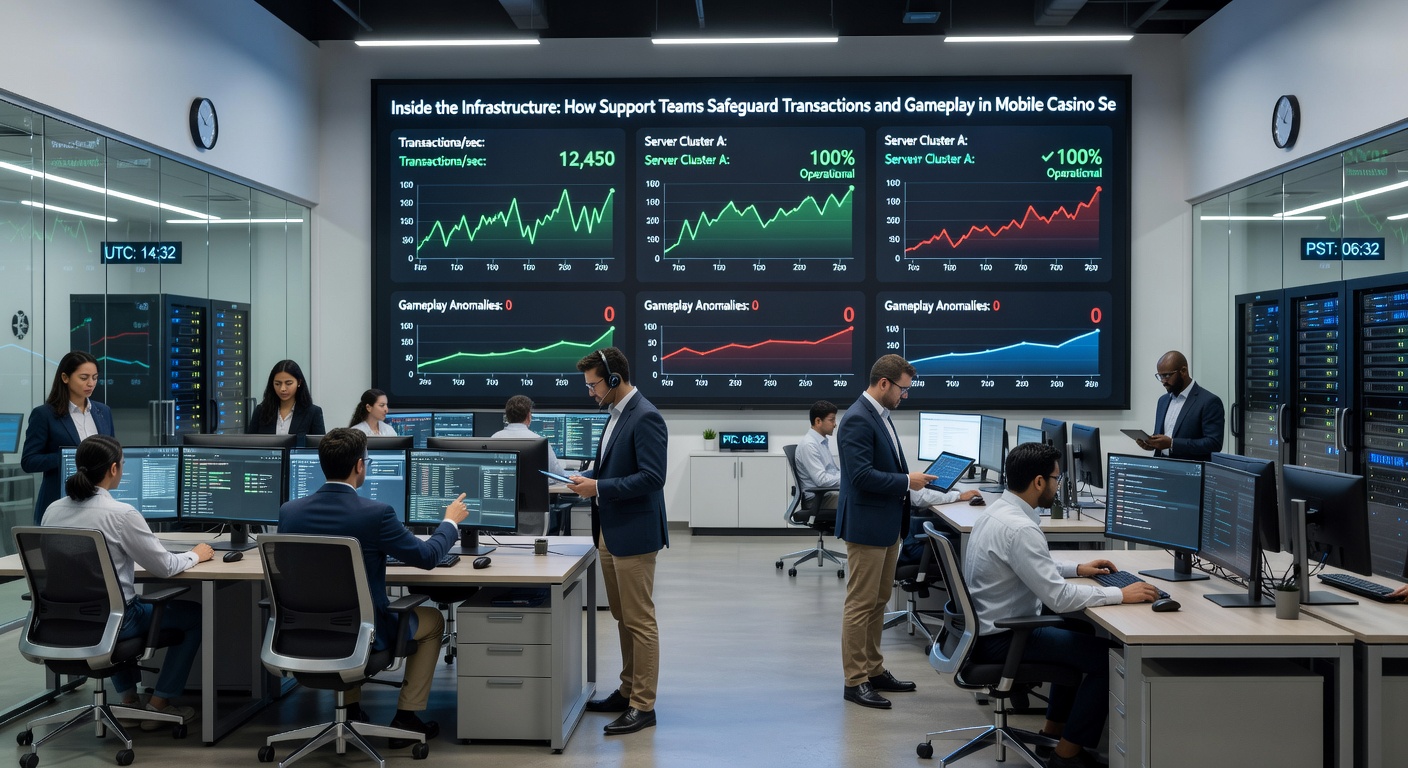
Research from the University of Nevada's gaming studies program indicates that mobile-specific latency problems account for a measurable share of player complaints each quarter, which is why support protocols now include proactive bandwidth testing integrated into app launches. Teams use diagnostic dashboards to identify regional network congestion early, then they route users toward optimized servers or provide clear reconnection guidance. In May 2026 several North American operators reported deploying updated client-side monitoring scripts that feed live performance metrics directly to support queues, allowing faster resolution of reel-spin delays or bonus feature glitches.
Compliance officers within these teams ensure that all gameplay features align with jurisdictional requirements, including responsible gaming limits that players set through in-app tools. When disputes occur, detailed session replays become available for review, and agents document findings in standardized reports that feed into regulatory submissions. Observers note that this documentation process has become more streamlined since operators adopted unified logging platforms that merge transaction records with gameplay data.
Integrated Infrastructure and Regional Compliance
The underlying architecture supporting these efforts combines cloud-based servers with localized data centers that meet varying international standards, while support teams act as the human layer connecting these components to end users. Australian regulatory updates released in late 2025 emphasized mandatory incident reporting timelines that mobile operators now meet through automated ticketing systems tied directly to agent workflows. Teams therefore handle both immediate player queries and the administrative tasks required to demonstrate ongoing adherence.
Collaboration with industry groups such as the European Gaming and Betting Association provides operators access to shared threat intelligence that informs daily support priorities. This network helps teams anticipate shifts in attack vectors targeting mobile payment flows or game servers, and it supports consistent training across different geographic teams. Figures released by the association in 2026 show increased investment in multilingual support capabilities as mobile adoption expands in non-English markets.
Conclusion
Support infrastructure in mobile casino environments continues to advance through the combination of specialized personnel and evolving technical tools that address both financial security and gameplay reliability. Operators maintain these systems by aligning daily operations with regulatory expectations across multiple jurisdictions, and the result is a framework where transaction flows and game sessions receive continuous protection. As mobile platforms handle larger shares of overall casino activity into the latter half of 2026, the coordination between support teams and backend systems remains a central element of operational stability.