Little River Band Advances Development Plans in Fruitport Township While Casino Project Stays on Hold
Written by Devon Patterson · Aug 24, 2026

Little River Band Advances Development Plans in Fruitport Township While Casino Project Stays on Hold
The Little River Band of Ottawa Indians continues to move forward with land development efforts in Fruitport Township, Michigan, even though its proposed casino project remains stalled in the approval process, and observers note that the tribe has begun exploring alternative uses for the property to keep momentum going during these delays.
Background on the Land and Tribe's Intentions
The Little River Band acquired the Fruitport Township parcel several years ago with the primary goal of establishing a casino resort, yet the federal and state approval steps have extended longer than anticipated, which has prompted the tribe to examine other development paths that could generate revenue and serve community needs while the gaming application works its way through regulatory channels, and this approach allows the band to maintain progress on the site rather than leaving it idle.
Officials from the tribe have confirmed that planning activities are underway, including site assessments, infrastructure evaluations, and consultations with local authorities, and these steps occur alongside the ongoing casino review that involves multiple agencies at both federal and state levels.
Current Status of the Casino Proposal
The casino project has encountered extended review periods typical for tribal gaming facilities under the Indian Gaming Regulatory Act, and although the tribe submitted necessary documentation, additional information requests and environmental studies have contributed to the hold, which means no construction timeline has been finalized as of the latest updates.
People familiar with the process point out that similar projects in the Midwest have faced comparable timelines, and the Little River Band continues to engage with the Bureau of Indian Affairs on land-into-trust matters that form a key part of any casino development, while Fruitport Township officials have remained available for discussions on zoning and local impacts.
Exploration of Alternative Land Uses
With the casino approval on pause, the tribe has started to consider other possibilities for the property such as commercial retail space, light industrial facilities, or mixed-use residential developments, and these options would allow the land to produce economic activity in the near term rather than waiting indefinitely for gaming approvals, and experts in tribal land management have observed that many bands pursue parallel planning to protect their investments during lengthy regulatory waits.
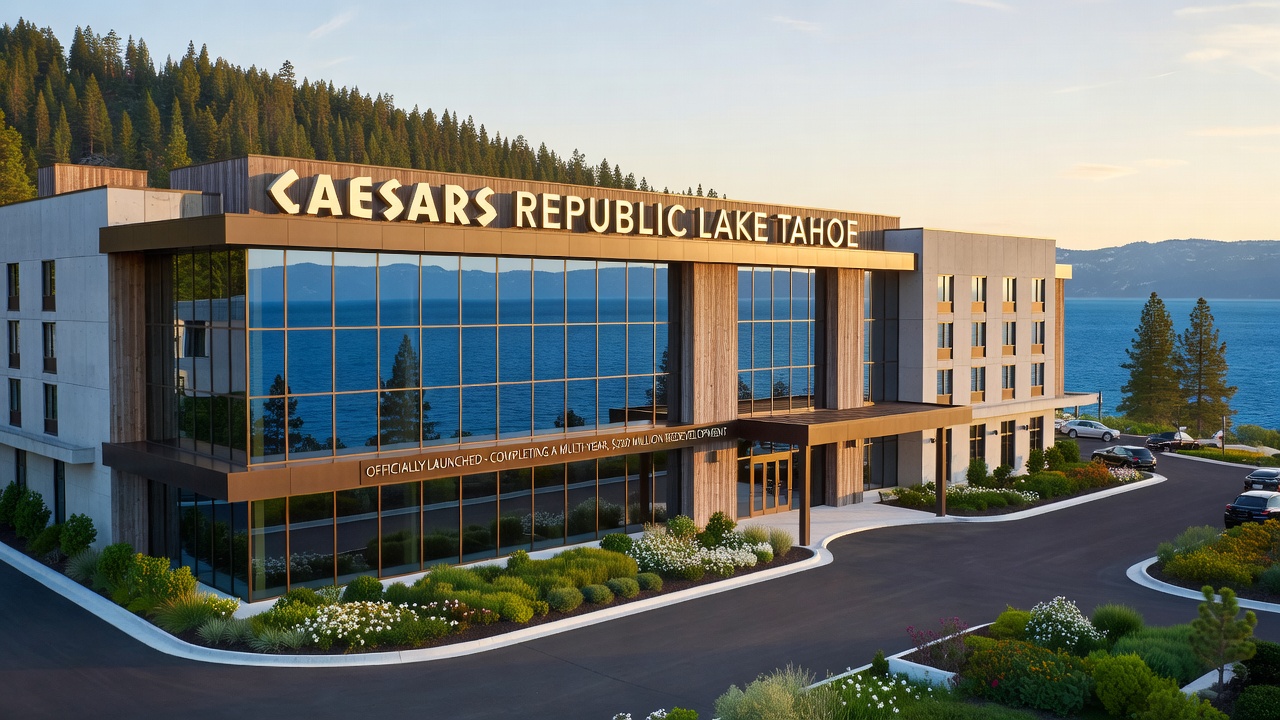
Local economic development reports indicate that Fruitport Township could benefit from non-gaming projects that create jobs in construction, retail, and services, and the tribe has held preliminary talks with potential partners who specialize in these sectors, which shows a pragmatic response to the current situation where the casino remains delayed but the land still holds value for other purposes.
Observers note that the band has not abandoned the casino concept entirely, and instead treats the alternative uses as interim or complementary measures that could coexist with or transition into gaming operations once approvals arrive, and this dual-track strategy helps sustain community support and financial planning in the meantime.
Regulatory and Community Context
The approval process for tribal casinos in Michigan requires coordination among the National Indian Gaming Commission, state gaming regulators, and local governments, and delays often stem from thorough reviews of economic impact studies, traffic analyses, and environmental assessments that must meet federal standards, according to records from the Bureau of Indian Affairs.
Fruitport Township residents have expressed mixed views in public meetings, with some supporting any development that brings jobs while others raise concerns about traffic and land use changes, and the tribe has responded by sharing updated plans that address these issues regardless of whether the final project includes gaming elements.
State-level data from Michigan shows that tribal gaming contributes significantly to regional economies through employment and revenue sharing, yet non-gaming alternatives on tribal land can also qualify for similar support programs administered by state economic development offices, and this flexibility encourages tribes to keep options open during approval waits.
Timeline Considerations and Future Outlook
Planning documents referenced in recent updates suggest that certain infrastructure improvements on the site could begin before the end of the current year, and these early works would support whichever use ultimately receives approval, whether casino-related or otherwise, and by August 2026 the tribe anticipates clearer direction on the casino application that could influence how the alternative plans evolve.
The Little River Band maintains regular communication with Fruitport officials to ensure any development aligns with township master plans, and this ongoing dialogue helps avoid conflicts that might further complicate the process, while similar approaches have allowed other tribes in the region to adapt their land strategies successfully.
Conclusion
The situation in Fruitport Township illustrates how tribal nations balance long-term gaming ambitions with practical steps to develop land during regulatory pauses, and the Little River Band's actions demonstrate a focus on keeping the property active through alternative uses while the casino proposal continues its review, and updates expected in coming months will likely clarify whether the original gaming vision or a different project takes precedence on the site.