Player Retention Strategies Linked to Seamless Transitions Between Slot Reels and Card Tables in App-Based Casinos
Written by Devon Patterson · Aug 7, 2026
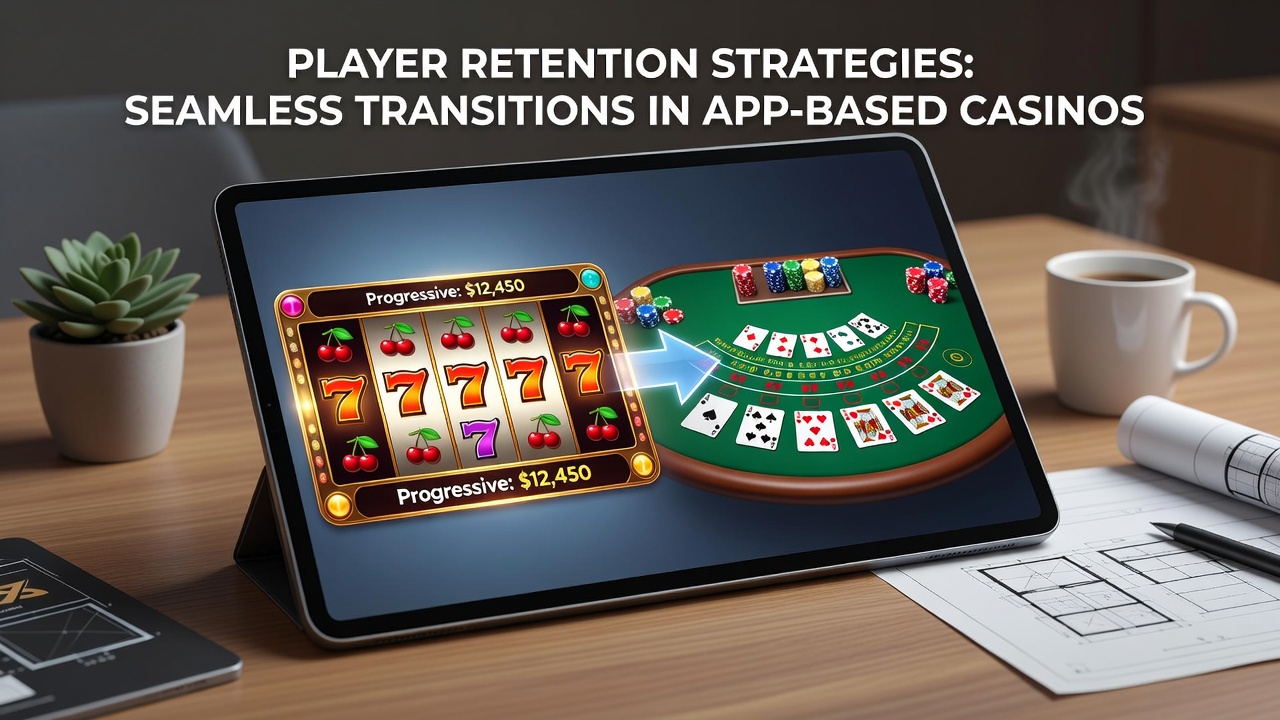
Player Retention Strategies Linked to Seamless Transitions Between Slot Reels and Card Tables in App-Based Casinos
App-based casinos continue to refine player retention through integrated game environments where users move directly from slot reels to card tables without reloading interfaces or losing session data, and this approach draws on backend systems that synchronize progress across game types in real time. Operators track metrics such as session length and repeat logins, while data from mobile platforms indicates that players who transition between reel and table games within a single session show higher overall activity levels compared to those who remain in one category.
Core Mechanisms Driving Retention
Seamless transitions rely on unified account systems and shared progress trackers that carry over bonuses, loyalty points, and game history, so a player finishing a reel session can enter a card table with accumulated credits intact. Research from industry reports highlights how these features reduce friction, and figures from platform analytics reveal that retention rates improve when navigation between slots and table games requires fewer than three taps. Developers implement API layers that maintain state across different game engines, allowing for instant loading of card table layouts after reel spins conclude.
Observers note that August 2026 marks expanded testing of cross-game reward pools in several North American jurisdictions, where regulatory updates permit shared progressive jackpots between reel and table categories. These pools accumulate from both slot wagers and card game bets, creating unified incentives that encourage players to explore multiple formats within the same app environment.
Technical Integration and User Flow
App architecture incorporates responsive design elements that adjust reel speeds and card dealing animations based on device performance, ensuring consistent pacing during switches. Data from user behavior studies shows that clear visual cues, such as persistent navigation bars and highlighted game categories, guide players toward table options after extended reel play. Integration extends to live dealer feeds and RNG-based card tables, where transition protocols pull from the same wallet balance and maintain streak multipliers earned on slots.
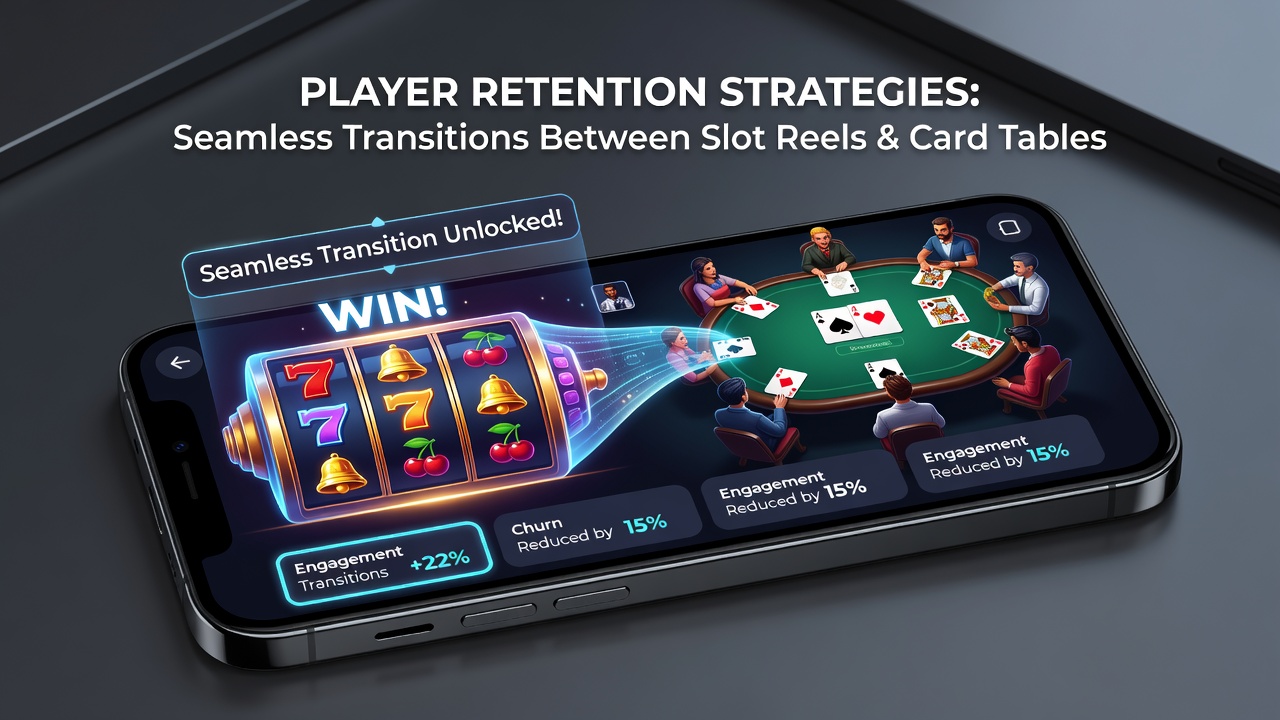
According to analyses published by the American Gaming Association, mobile platforms that enable direct handoffs between game types report elevated daily active user counts, particularly in markets where operators deploy personalized prompts based on prior play patterns. These prompts appear as in-app notifications suggesting card tables after a set number of reel spins, and they link directly to open sessions without additional authentication steps.
Data Patterns and Retention Outcomes
Platform logs collected across multiple operators demonstrate that players completing at least one transition per session exhibit longer average play durations, and this correlation holds across demographic segments tracked in European and Asian markets. A report from the International Association of Gaming Regulators outlines how regulatory frameworks in select regions now require transparency in transition mechanics, ensuring that odds and payout structures remain visible when users shift categories. Retention campaigns built around these mechanics often include tiered rewards that escalate when players engage both reels and tables within defined time windows.
Case examples from app developers illustrate how unified leaderboards spanning slot and card performance foster competitive elements that keep users returning, while shared achievement systems unlock cosmetic upgrades or bonus rounds accessible only after cross-category activity. Technical audits confirm that latency during transitions stays below industry thresholds in optimized apps, preventing drop-off that occurs when loading times exceed two seconds.
Regulatory Context and Future Developments
Regulatory bodies in Australia and Canada have issued guidelines on fair presentation of game transitions, requiring that any promotional messaging about seamless movement between reels and tables includes accurate descriptions of eligibility rules. These measures align with broader efforts to standardize mobile gaming interfaces, and compliance data from 2025 onward indicates steady adoption among major operators. In August 2026, several platforms plan rollout of enhanced transition features that incorporate real-time analytics to suggest optimal game switches based on individual risk profiles and historical preferences.
Industry observers track how these strategies intersect with responsible gaming tools, such as session timers that persist across game types, ensuring that players receive unified alerts regardless of whether they are on reels or card tables. Platform updates scheduled for late 2026 aim to expand compatibility with emerging device standards, maintaining transition reliability across updated operating systems.
Conclusion
Player retention in app-based casinos increasingly ties to the effectiveness of seamless transitions between slot reels and card tables, supported by synchronized data systems and regulatory oversight that continues to evolve through 2026. Metrics gathered from operational platforms show measurable links between these features and sustained user engagement, while technical refinements focus on minimizing barriers during game switches. Continued monitoring by regulators and industry groups provides ongoing data on how these strategies perform across different markets and device ecosystems.