Synchronizing verification timelines with multi-game navigation across encrypted mobile frameworks
Written by Avery Hansen · Jul 22, 2026
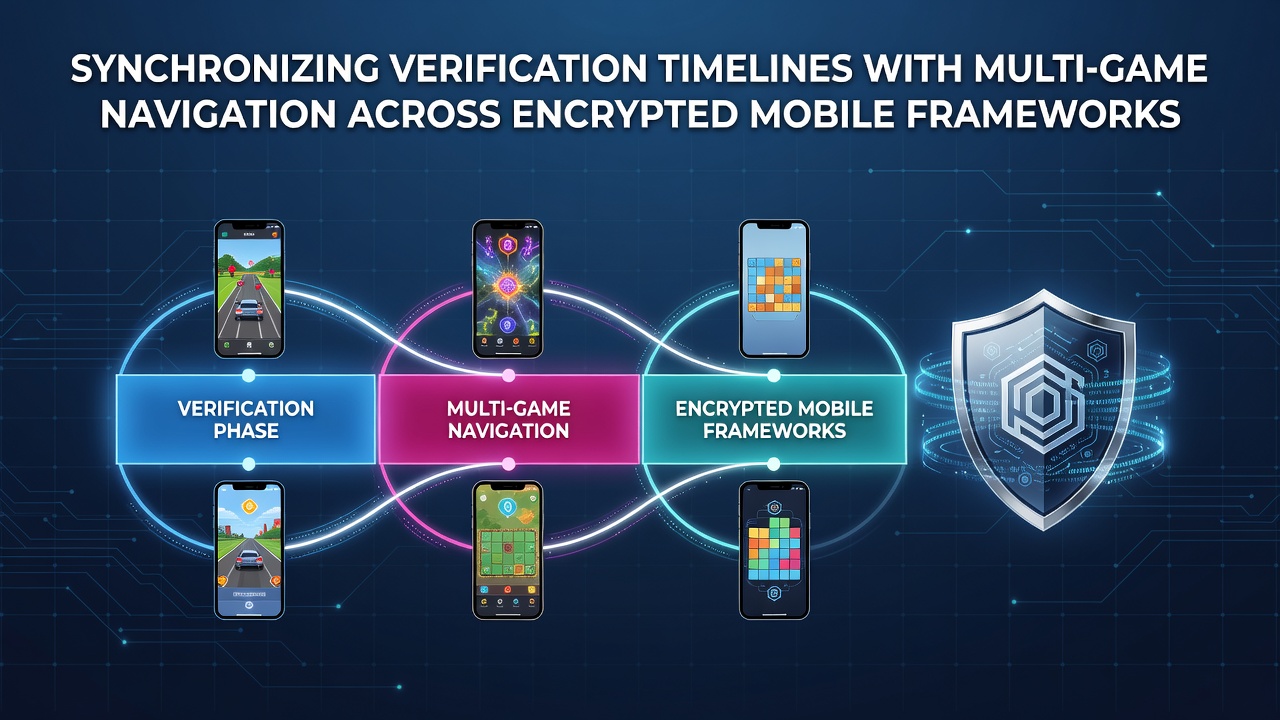
Synchronizing verification timelines with multi-game navigation across encrypted mobile frameworks
Verification processes in mobile gaming platforms require precise alignment with navigation systems that allow users to move between different game types while maintaining security protocols, and this synchronization occurs within encrypted frameworks that protect data transmission during transitions. Developers implement timing mechanisms that trigger identity checks at intervals coordinated with session activity across slots, table games, and live dealer environments, which reduces latency when players switch titles without interrupting authentication flows.
Core components of encrypted mobile verification systems
Encrypted mobile frameworks utilize end-to-end protocols such as AES-256 combined with transport layer security standards to safeguard user data during navigation sequences, and these systems integrate real-time verification checkpoints that activate based on session duration and cross-game movement patterns. Research from the National Institute of Standards and Technology indicates that coordinated timelines prevent desynchronization events where authentication expires mid-transition, and developers achieve this through API-level hooks that monitor navigation events across game libraries.
Multi-game environments demand that verification tokens remain valid while users access varied content categories, yet these tokens must refresh according to predefined schedules that account for encryption key rotation cycles. Observers note that platforms handling high volumes of simultaneous game switches rely on centralized verification servers that push updates to mobile clients at synchronized intervals, and this approach maintains continuity without forcing repeated logins during extended play sessions.
Navigation patterns and timeline coordination challenges
Players frequently alternate between game categories within single sessions, which creates demands on verification systems to track activity states across disparate modules while encryption layers handle data exchanges. Data from industry reports shows that uncoordinated timelines lead to session interruptions when users navigate from progressive jackpot slots to live roulette tables, and synchronization solutions address this by embedding verification status flags directly into navigation controllers that operate within the encrypted stack.
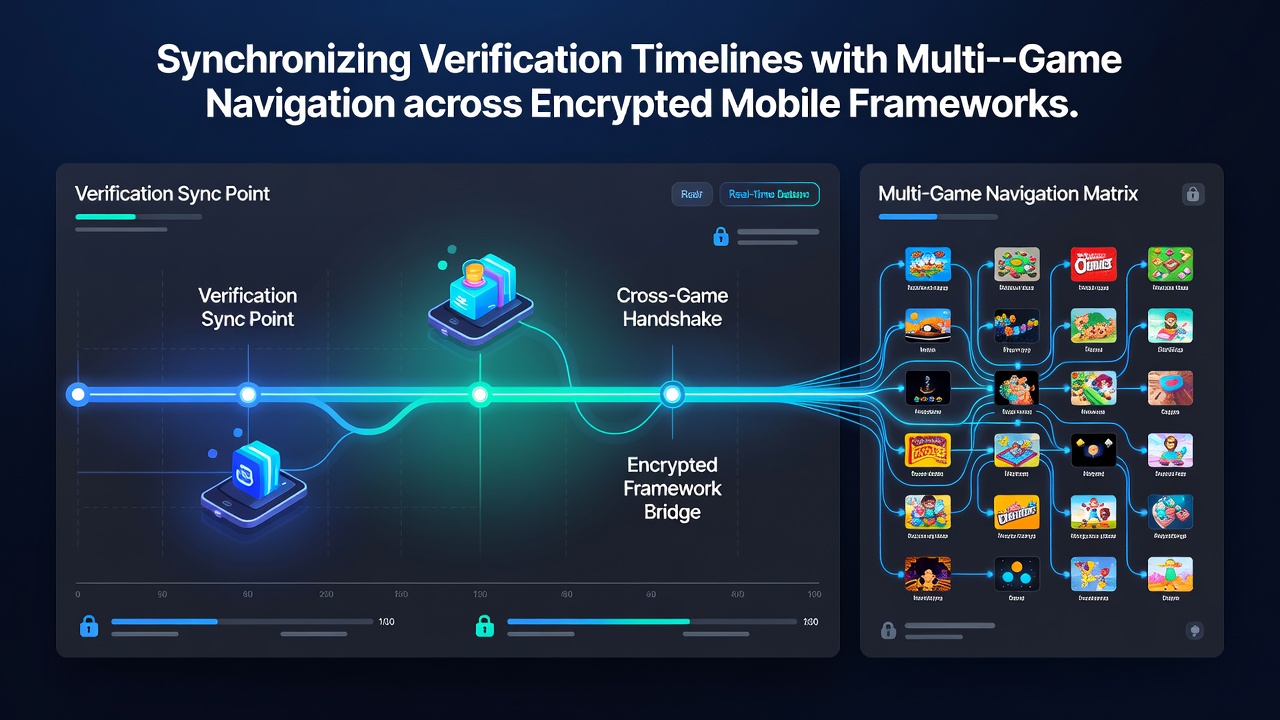
Technical teams deploy event-driven architectures where navigation triggers prompt verification status queries that execute without exposing sensitive credentials, and these queries run parallel to encryption processes to avoid bottlenecks. In July 2026, updated compliance requirements from the New Jersey Division of Gaming Enforcement will emphasize tighter integration between these elements, prompting platforms to refine their timeline algorithms accordingly. Such adjustments ensure that verification windows align with typical navigation durations observed across mobile user bases, and studies of session logs reveal average transition times ranging from 12 to 45 seconds depending on network conditions.
Implementation strategies across regional frameworks
Platforms operating under different regulatory environments adapt synchronization methods to meet local encryption mandates while preserving seamless multi-game access. Canadian provincial regulators, including those in Ontario, have documented requirements for verification events that coincide with cross-category navigation, and these rules influence how developers structure their mobile frameworks to handle encrypted token exchanges during game switches.
European operators follow guidelines that prioritize data minimization during verification cycles, which means timeline synchronization focuses on minimizing the duration that personal identifiers remain active in memory while users explore multiple titles. Engineers achieve this balance through stateless verification tokens that expire predictably yet renew automatically upon detected navigation activity, and this method supports fluid movement between game types without repeated data submissions.
Performance metrics and observed outcomes
Performance data collected from deployed systems demonstrates that synchronized verification reduces average session drop-off rates during multi-game navigation by measurable percentages, and these improvements stem from reduced friction at authentication boundaries. Metrics tracked across encrypted mobile deployments show that platforms employing coordinated timelines experience fewer timeout events when players shift between high-volatility slots and strategy-based table games, and the underlying encryption layers maintain consistent throughput during these operations.
Additional testing conducted by research institutions reveals that key rotation schedules integrated with verification timelines prevent desync issues that previously disrupted user flows, and these findings guide ongoing refinements in framework design. Operators report that such optimizations support higher concurrent user loads without compromising security standards enforced across mobile channels.
Conclusion
Synchronization of verification timelines with multi-game navigation within encrypted mobile frameworks continues to evolve as platforms adapt to regulatory updates and technical advancements. Coordinated systems enable secure transitions between game varieties while preserving authentication integrity, and data from multiple jurisdictions confirms measurable benefits in session continuity and compliance adherence. Future developments scheduled around July 2026 will likely introduce further refinements to these integration methods as standards progress.