10 Jul 2026
Tracing Incentive Lifecycles from Deposit Triggers Through Game Category Access in Verified Digital Betting Portals
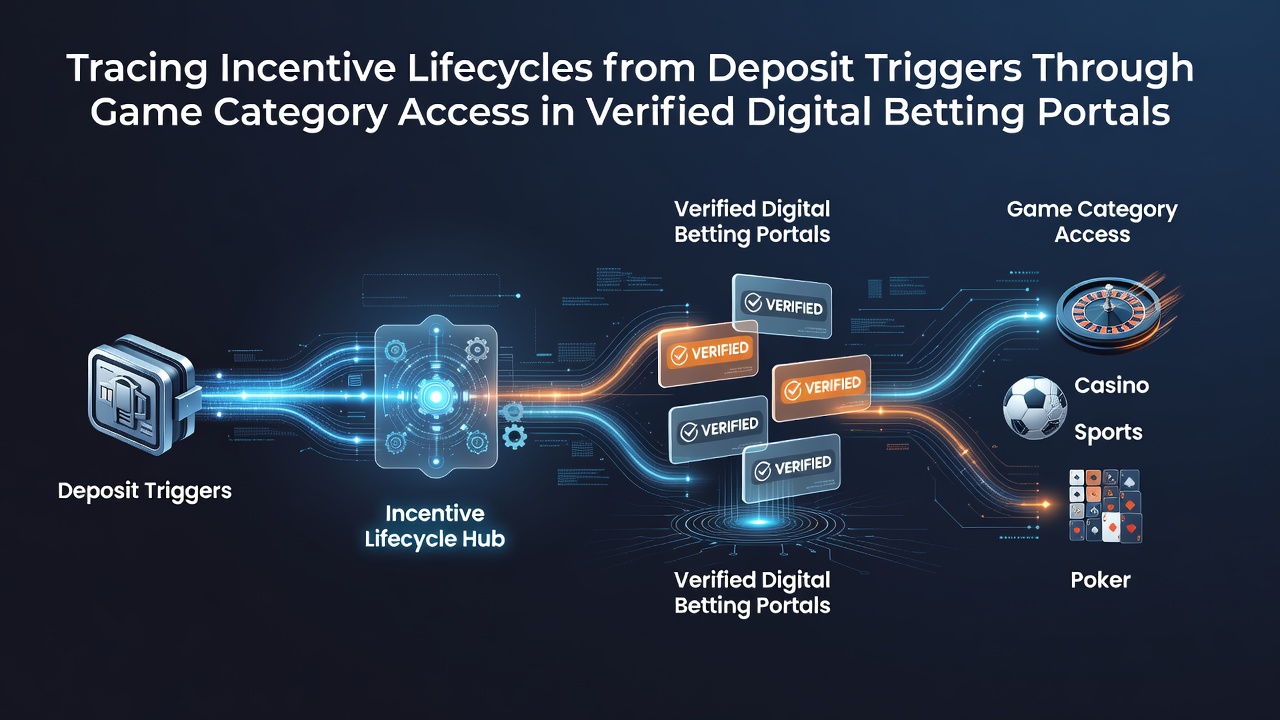
Deposit triggers initiate incentive lifecycles when users fund accounts in verified digital betting portals, and these systems record the transaction details before activating any promotional credits or free spins tied to the deposit amount. Operators apply automated checks that confirm the payment method matches approved channels, after which the portal logs the deposit timestamp and links it directly to the incentive package selected during the funding step. This process ensures every triggered reward follows a defined path from activation through usage restrictions that limit access until specific conditions are met.
Deposit Activation Mechanics
Systems in verified portals process deposits through secure gateways that validate transaction data in real time, and once cleared the incentive engine assigns the corresponding bonus balance to the user account while separating it from the principal deposit. Research from regulatory bodies shows deposit thresholds often determine incentive tiers, with higher amounts unlocking extended play periods or additional categories. The lifecycle begins here because the portal records the exact trigger point, which later governs how and when users can progress toward game category access.
Verification protocols require identity confirmation before full incentive release, and portals cross-reference user details against databases maintained by oversight agencies. In July 2026 several platforms introduced enhanced multi-factor checks that tie deposit triggers more tightly to ongoing compliance monitoring, reducing discrepancies in how rewards move through subsequent stages.
Progression Through Wagering and Usage Rules
Incentive lifecycles advance when users engage qualifying games that contribute toward wagering requirements, and portals track every bet placed against the bonus funds using dedicated ledgers. Contributions vary by game type, with slots typically counting at 100 percent while table games may register lower percentages, and this weighting directly influences how quickly a lifecycle reaches completion. Observers note that portals enforce these rules automatically so users cannot bypass stages or redirect incentives outside designated categories.
Data from the New Jersey Division of Gaming Enforcement indicates consistent patterns in how portals segment game access once wagering thresholds are cleared, allowing transitions only after the system confirms full requirement satisfaction. Those who study portal architectures find that incomplete lifecycles keep bonus funds locked in a holding state until either requirements finish or expiration dates activate.
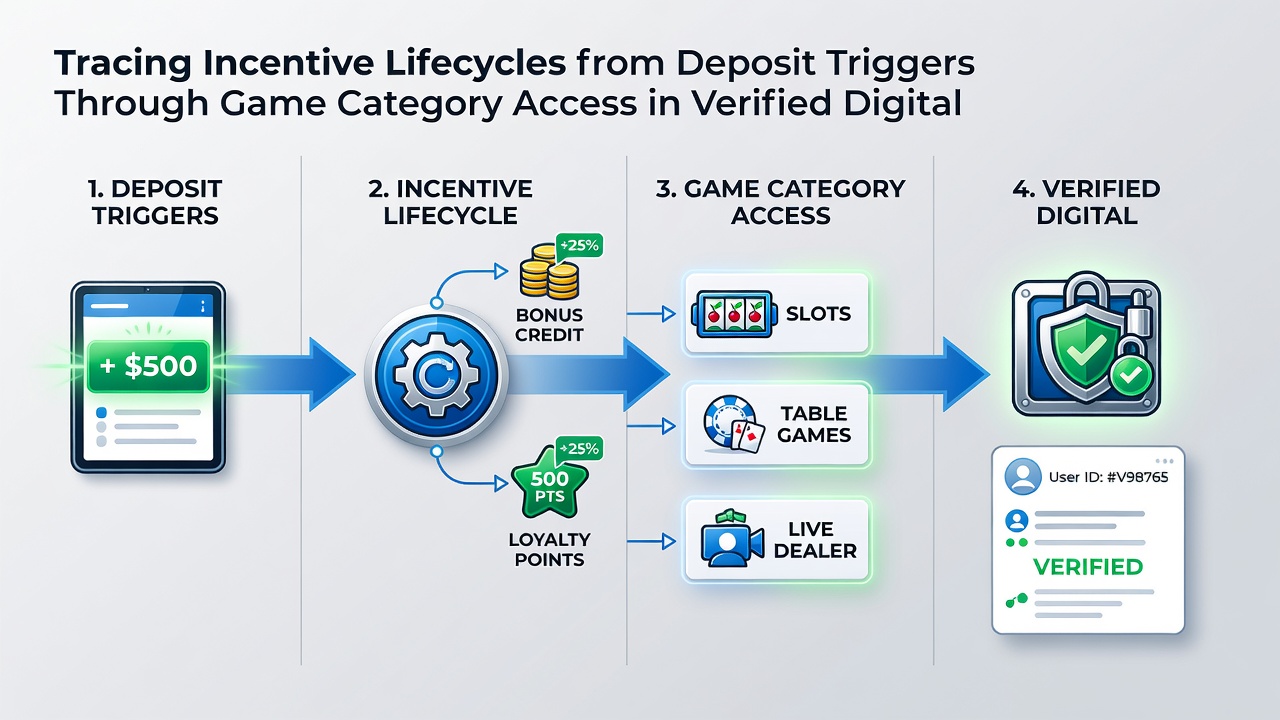
Game Category Access Controls
Once an incentive lifecycle completes its core requirements, portals grant access to expanded game categories that were previously restricted, and the system updates user permissions within seconds of verification. Slots, live dealer tables, and specialty games each sit behind separate access gates that open sequentially based on the original deposit trigger and incentive type. Portals maintain category lists that operators update periodically to reflect new titles while preserving the linkage between completed lifecycles and available content.
Studies from the Australian Institute of Criminology reveal that verified portals apply category restrictions to manage risk exposure, and these controls remain active even after initial access is granted if additional playthrough conditions apply. Users move through the lifecycle toward broader access only when all tracked metrics align, which prevents premature entry into high-volatility categories before the portal deems the incentive stage resolved.
Verification and Compliance Layers
Verified portals embed compliance checkpoints throughout the incentive lifecycle, and each deposit trigger activates a chain of automated audits that continue until the final game category opens. These layers reference external regulatory feeds to confirm ongoing eligibility, and any deviation pauses progression until resolved. Industry reports from the European Gaming and Betting Association document how such systems maintain audit trails that link every deposit to its eventual category outcome.
Portals also integrate real-time monitoring that flags unusual patterns during the lifecycle, allowing operators to intervene before users reach restricted categories. This approach keeps the entire sequence transparent while preserving the integrity of incentive distribution across different game types.
Conclusion
The full lifecycle from deposit trigger to game category access forms a continuous chain within verified digital betting portals, and each stage builds on the previous one through automated tracking and rule enforcement. Operators rely on these structured pathways to align incentives with regulatory expectations, while users encounter clearly defined progression points that determine when broader game access becomes available. Data from multiple oversight sources continues to shape how portals refine these systems as operational standards evolve.