Unveiling Connections Between Transaction Methods and Live Session Protections on Mobile Gaming Platforms
Written by Devon Patterson · Aug 21, 2026
Unveiling Connections Between Transaction Methods and Live Session Protections on Mobile Gaming Platforms
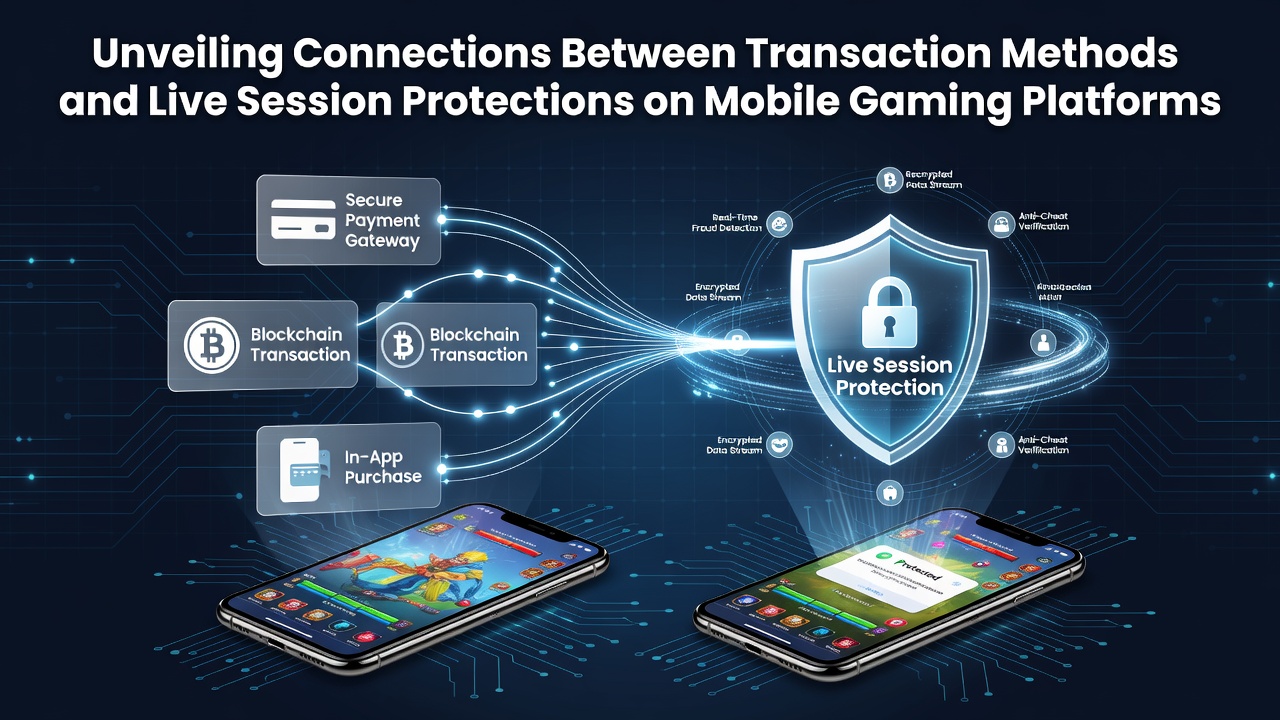
Transaction methods and live session protections operate as interconnected systems on mobile gaming platforms where payment gateways feed directly into authentication layers that monitor ongoing play. Data from these systems shows that payment verification occurs at session initiation while continuous checks run throughout active periods to flag anomalies tied to funding sources. Observers note that platforms integrate these elements through APIs that link banking details or digital wallets to user accounts and then to real-time gameplay servers.
Payment Integration with Session Authentication
Digital wallets and card-based options connect to session tokens that expire after predefined intervals unless refreshed by additional transaction confirmations, and researchers have documented how this setup reduces unauthorized access during extended mobile sessions. Those who study platform architecture point out that tokenization replaces sensitive card numbers with unique identifiers that persist across multiple games but require revalidation when a new deposit occurs. In August 2026 several major operators updated their token refresh protocols to align with emerging mobile security benchmarks, resulting in shorter windows between payment checks and session continuity markers.
Studies reveal that e-wallet transactions often carry metadata that feeds directly into session monitoring tools, allowing platforms to correlate deposit speed with gameplay patterns and trigger protective pauses if irregularities appear. This linkage means users who switch between funding methods mid-session encounter additional verification steps that extend the live protection framework without interrupting the overall experience.
Security Protocols Across Funding Channels
Encryption standards applied at the payment stage extend into live session environments where data streams from game servers remain isolated from transaction databases through segmented networks. Experts have observed that credit card processors and cryptocurrency gateways each impose distinct encryption strengths, yet all feed into the same session integrity checks that verify user presence via device biometrics or PIN re-entry after idle periods. Reports from the American Gaming Association indicate that platforms employing unified encryption across both transaction and session layers experience fewer reported breaches compared with those maintaining separate security silos.
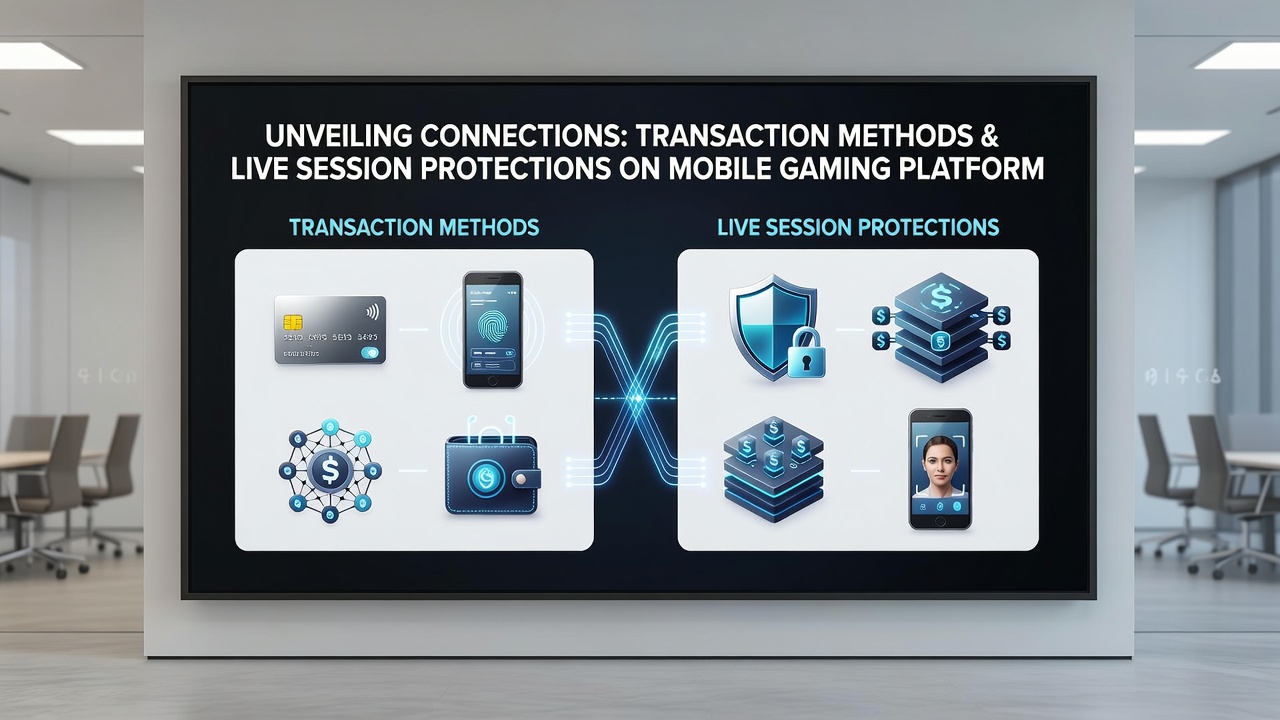
Multi-factor authentication tied to initial deposits continues to influence session duration limits, and analysts note that higher-value transactions often activate stricter session timeouts to maintain compliance with regional gaming regulations. Those who examine data flows point out that blockchain-based payments introduce additional verification layers because each transfer carries immutable records that session protection systems can cross-reference against player behavior logs in real time.
Real-Time Monitoring and Anomaly Detection
Live session protections rely on transaction history to establish baseline activity levels, after which machine learning models compare new deposits against established patterns to detect potential fraud before it affects ongoing games. According to a report published by the European Gaming and Betting Association, platforms that synchronize transaction monitoring with session analytics achieve faster response times when suspicious funding attempts coincide with rapid gameplay changes. This approach allows protective measures such as temporary session locks to activate automatically without requiring full account suspension.
Device fingerprinting collected during payment authorization persists throughout the session and combines with location data to maintain continuity checks, while researchers have found that mismatches between payment origin and session location frequently prompt immediate re-authentication prompts. The result is a layered defense where each transaction method contributes unique signals that session protection algorithms weigh continuously rather than at fixed checkpoints.
Regulatory Influences on System Design
Regulatory bodies in multiple jurisdictions now require documented connections between payment processing and session security measures, prompting operators to redesign mobile applications around unified compliance frameworks. Data shows that these requirements have led to standardized reporting of how transaction verifications support live session integrity across different device types and operating systems. In practice, operators maintain audit trails that link every deposit to corresponding session events, creating traceable records that satisfy oversight demands while preserving player access.
Platforms continue to refine these connections as new payment technologies emerge, and those who track industry developments note that integration testing between transaction gateways and session servers has become a routine part of mobile update cycles. This ongoing alignment ensures that protective features evolve alongside the funding methods users prefer on portable devices.
Conclusion
The connections between transaction methods and live session protections form a cohesive security architecture on mobile gaming platforms that adapts to both technological advances and regulatory expectations. Continued refinement of these linkages supports stable operation across diverse funding options while maintaining session continuity for users. As platforms implement updates through 2026 and beyond, the emphasis remains on seamless integration that preserves both transaction reliability and live gameplay safeguards.